Public Services Redesign
The real problem was a trust gap between physical and digital service, not digital literacy.
- Service design
- UX/UI Design

The context
A Portuguese municipal council needed to redesign its citizen service portal, not just a UI problem, but a service transition challenge.
The existing portal was underused despite offering essential services. Most citizens preferred queuing in person, rather than carry out tasks that could theoretically be completed online.
The problem
Initial assumption: “People don't use the portal because they lack digital literacy.”
Reality from research
Digital and physical touchpoints were disconnected, and citizens simply didn't trust digital services yet.
Methods
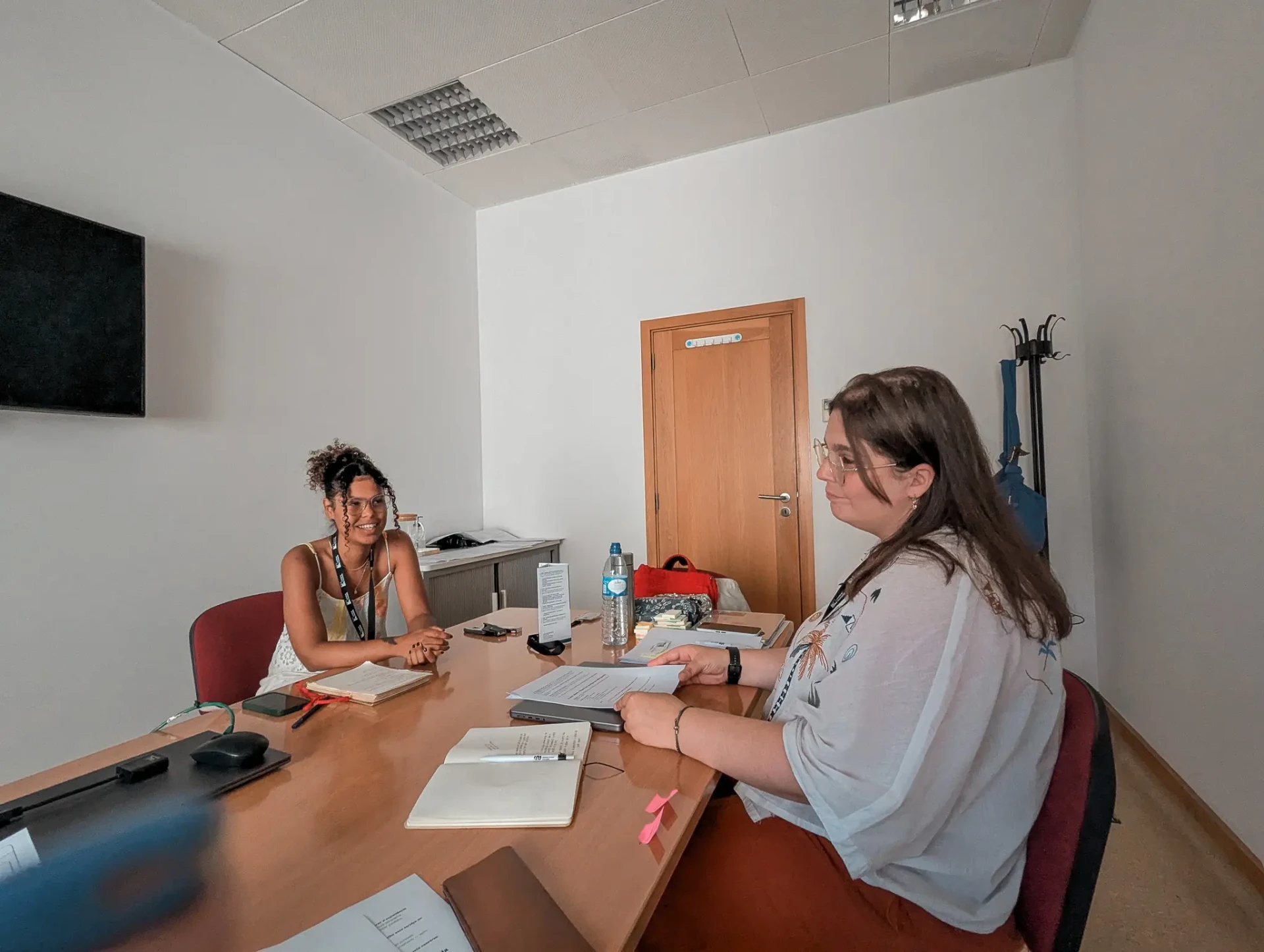
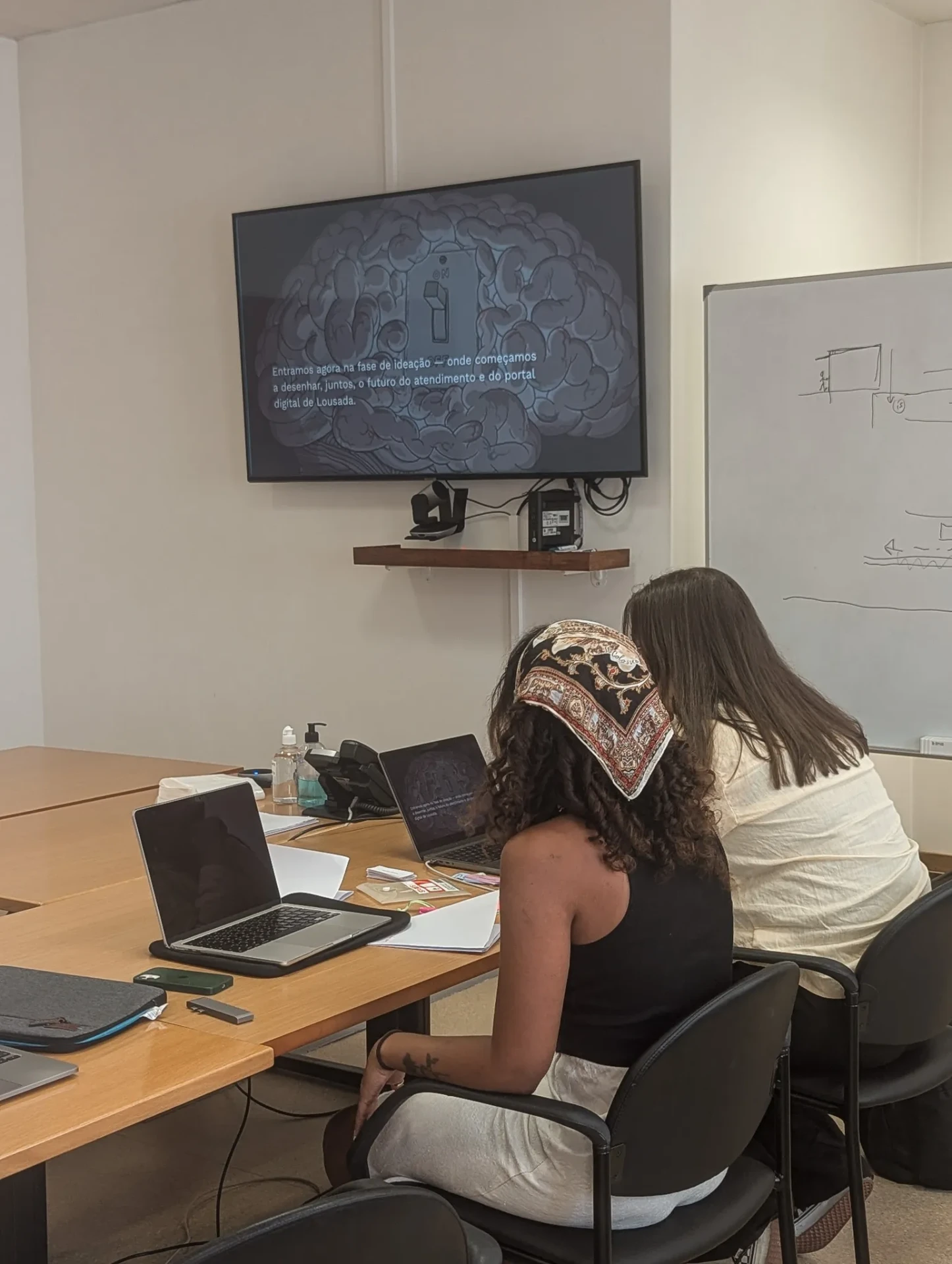
Contextual inquiry and observation.
Citizen interviews.
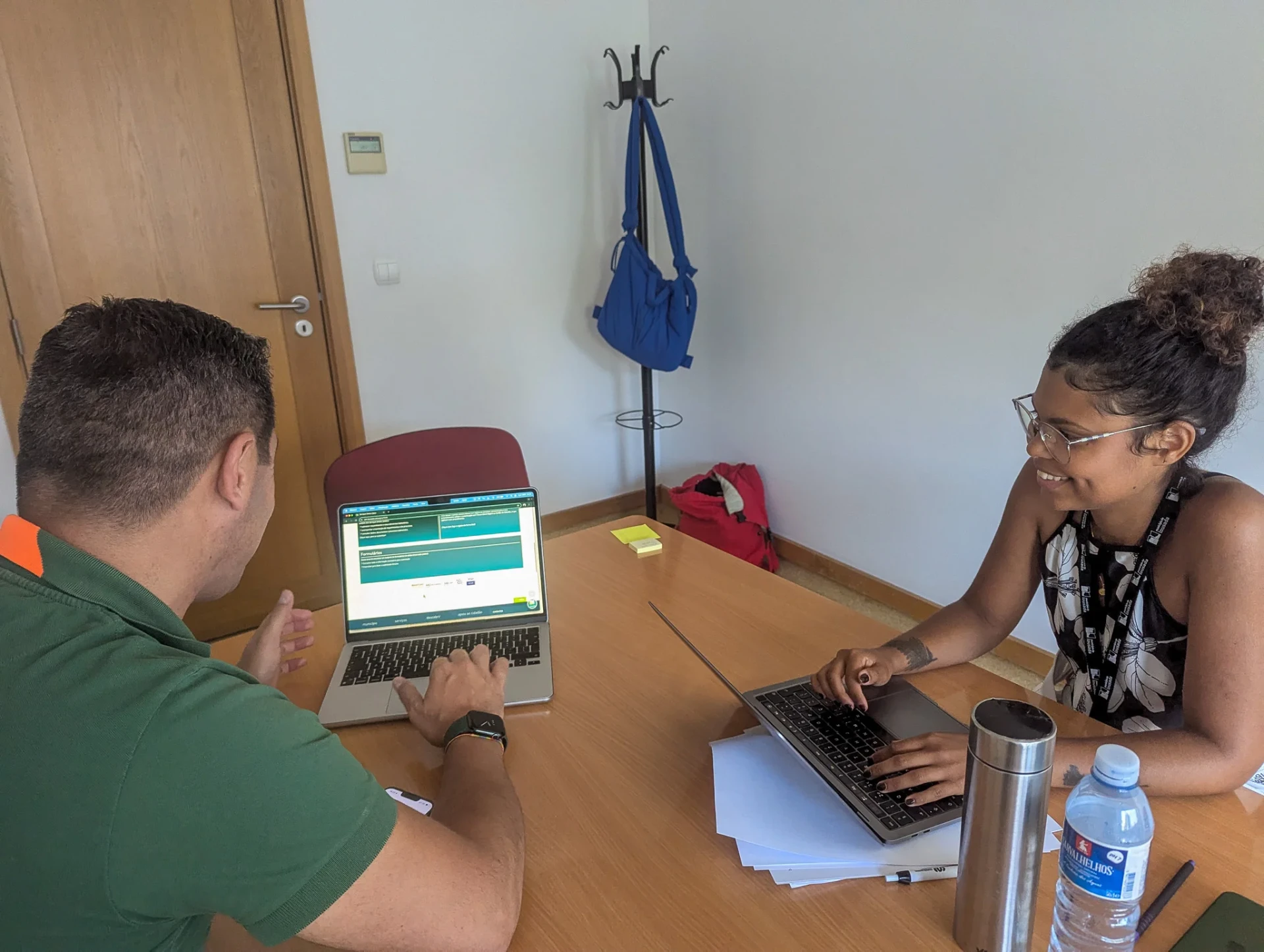
Staff interviews.
Comparative analysis.
The goal
The in-person service was already excellent. The goal wasn't to eliminate it, but to free staff for complex cases and let citizens build confidence gradually with simple one — digital won't replace physical, and it shouldn't.
Design development
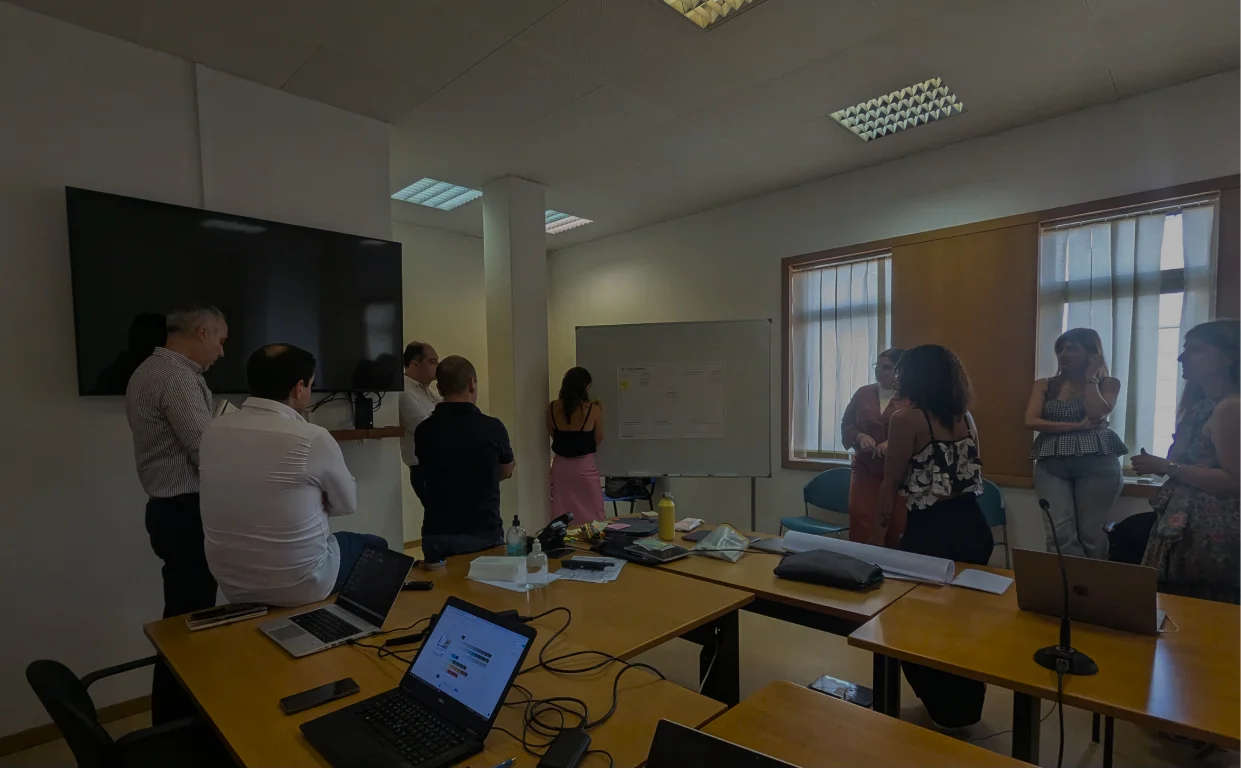
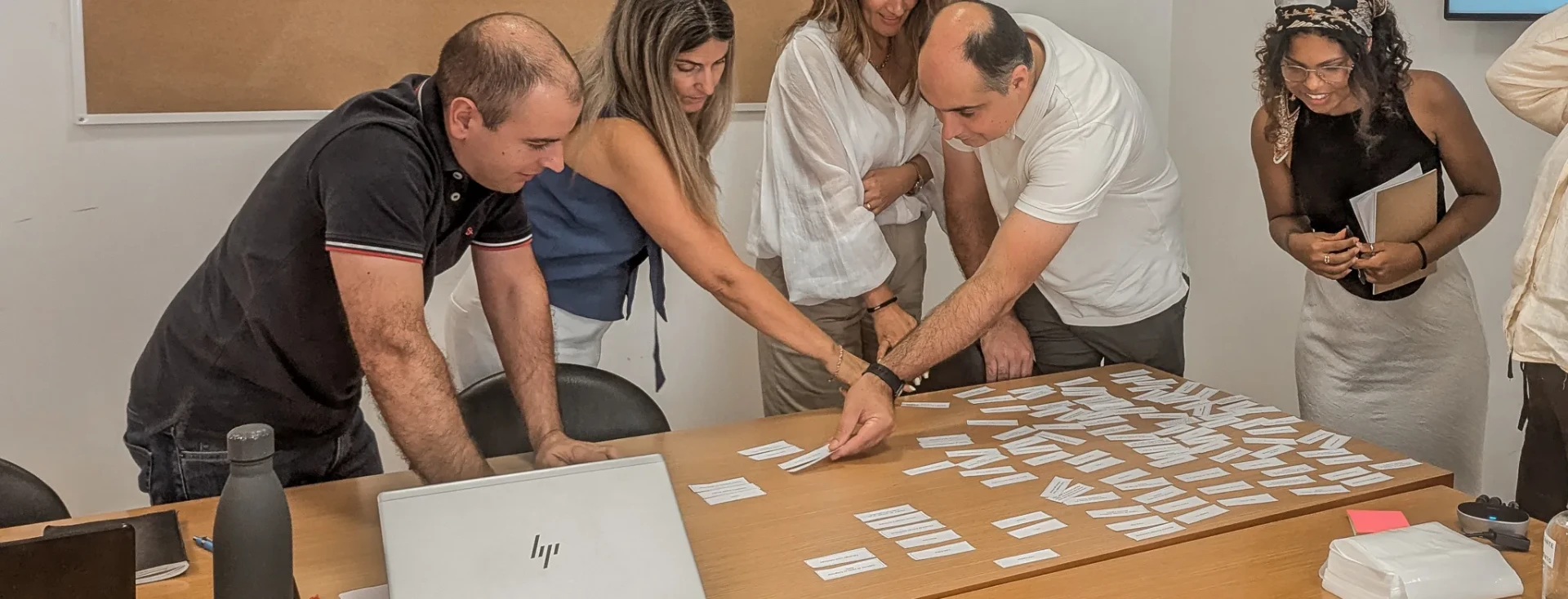
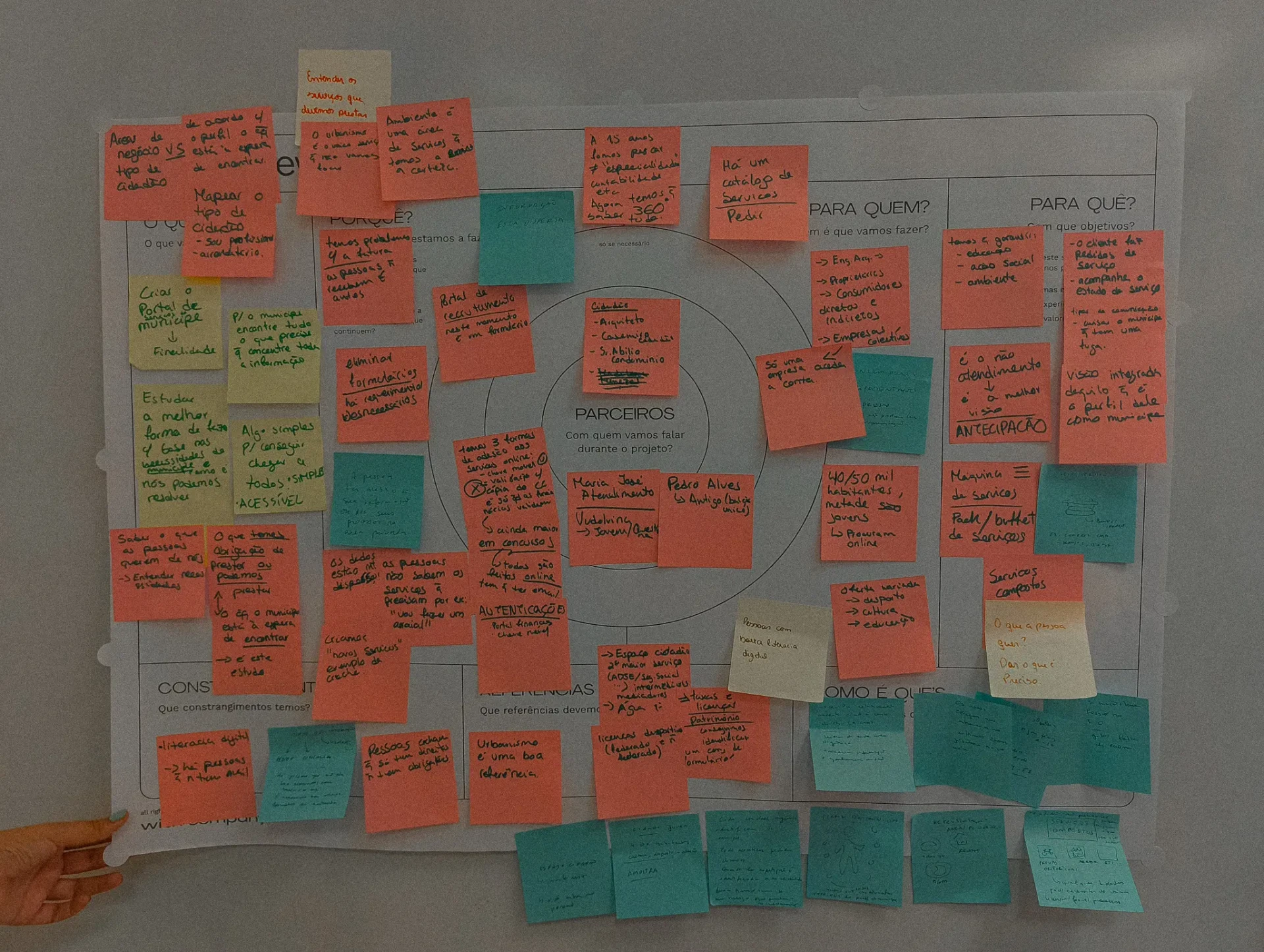
A co-creation workshop with the municipal team validated the research findings together and built real ownership of the solution with the people who'd maintain it.
Strategic decision
Kept the service portal separate from the informational website. Different security needs, user intent, and performance demands, while keeping both visually consistent.
“If a digital service is hard to use or unreliable, users will abandon it and revert to traditional channels, often preferring face-to-face interaction even if it's less convenient.” — Jakob Nielsen
Outcome
Usability testing confirmed what worked: upfront, clear requirements; combined service flows instead of repeated forms; progress tracking that never forces a restart.
“The best digital service doesn't replace human connection — it extends human capacity to help.”